



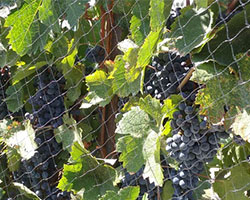
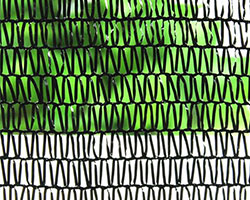

In the realm of agriculture, protecting crops from pests is a critical challenge that farmers continually face. While agricultural insect netting provides a physical barrier against insects, integrating alternative pest control methods can bolster protection and optimize yield. Let's explore various strategies that can synergize with insect netting for comprehensive pest management.

Biological Control:
Definition and Benefits: Biological control involves using natural predators, parasites, or pathogens to manage pest populations.
Integration with Insect Netting: Implementing biological control agents alongside insect netting can create a holistic approach to pest management.
Examples: Ladybugs for aphid control, parasitic wasps for caterpillar management, and beneficial nematodes for soil-dwelling pests.
Trap Crops and Companion Planting:
Utilization: Planting trap crops or companion plants that repel pests or attract them away from main crops.
Synergy with Insect Netting: Deploying trap crops strategically in conjunction with insect netting can divert pests and reduce pressure on the main crop.
Examples: Marigolds to deter nematodes, basil to repel aphids, and planting mustard greens as trap crops for flea beetles.
Pheromone Traps and Lures:
Functionality: Pheromone traps release scents to attract specific pests, helping monitor and control their populations.
Enhancing Protection: Using pheromone traps in combination with insect netting can improve pest detection and reduce infestations.
Benefits: Precision targeting of pests, reduced reliance on chemical pesticides, and environmentally friendly pest management.

Cultural Practices:
Crop Rotation and Sanitation: Rotating crops and maintaining clean fields to disrupt pest life cycles and minimize breeding grounds.
Complementing Insect Netting: Cultural practices like crop diversity and soil management can enhance the effectiveness of insect netting by creating an unfavorable environment for pests.
Organic Sprays and Essential Oils:
Natural Pest Control: Using organic sprays and essential oils derived from plants to repel or deter pests.
Application with Insect Netting: Spraying organic solutions on plants near insect netting can act as an additional layer of defense against pests.
Examples: Neem oil for insect control, peppermint oil for repelling pests, and garlic spray for deterring insects.
By combining agricultural insect netting with alternative pest control methods such as biological control, trap crops, pheromone traps, cultural practices, and organic sprays, farmers can create a robust and sustainable pest management strategy. Embracing a multifaceted approach not only safeguards crops effectively but also promotes environmentally conscious agriculture practices for a greener future.
Incorporating these diverse pest control methods alongside insect netting can empower farmers to cultivate healthier crops, reduce reliance on chemical pesticides, and foster a more resilient and sustainable agricultural ecosystem.