



In the realm of modern agriculture, the battle against pests has evolved into a sustainable endeavor with the introduction of agricultural insect netting. This unassuming yet powerful tool has become a preferred choice for farmers seeking an eco-friendly alternative to chemical pesticides. However, a pertinent question arises: Can agricultural insect netting be effectively deployed across diverse climates and regions? In this comprehensive exploration, we delve into the multifaceted aspects of insect netting, examining its adaptability, mesh intricacies, durability under varied weather conditions, ventilation considerations, and the innovative solutions employed by farmers globally.

Tailoring Netting to Local Insect Challenges
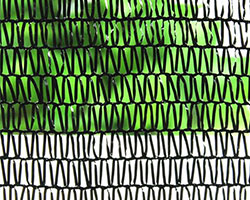
The first layer of defense in the insect netting arsenal lies in the intricacies of mesh design. The effectiveness of insect netting hinges on the ability to selectively bar entry to different insect species. From minuscule aphids to larger butterflies, the mesh size plays a pivotal role in determining which pests are kept at bay. Join us as we unravel the science behind mesh selection, exploring the nuanced world of insect sizes and regional pest profiles. Through understanding the unique challenges posed by various climates, farmers can make informed decisions about the most suitable mesh sizes for their specific regions.
The Durability Dilemma in Different Climates
In the dynamic arena of agriculture, where weather conditions can oscillate from scorching heat to torrential rainfall, the durability of insect netting becomes a crucial consideration. The netting material must withstand the relentless assault of the elements, from intense UV exposure to the wear and tear caused by high winds and heavy precipitation. This segment scrutinizes the materials used in insect netting, evaluating their resilience against climatic challenges. UV stabilizers, tear resistance, and overall robustness are examined as we unravel the intricacies of ensuring that insect netting remains a steadfast guardian of crops across diverse climates.
Ventilation Solutions for Humid Regions
While the primary purpose of insect netting is to act as a barrier against pests, its impact on the microenvironment around crops cannot be overlooked. In regions characterized by high humidity, striking a delicate balance between protection and ventilation is paramount. Excessive moisture can create an environment conducive to fungal diseases, emphasizing the need for proper airflow. Explore with us the design principles behind insect netting that facilitates optimal ventilation. Learn how certain types of netting are engineered with microopenings, allowing the necessary exchange of air while still keeping invasive pests at bay. Uncover the delicate dance between protection and airflow that ensures crop health in humid climates.

Tailoring Netting Systems to Unique Climatic Demands
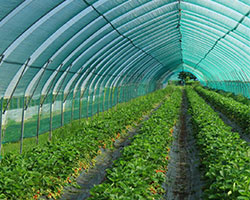
Deploying agricultural insect netting involves more than a simple draping over crops. It requires a nuanced understanding of the unique challenges presented by different climates and regions. In areas prone to strong winds or heavy snowfall, the basic installation may prove insufficient. Enterprising farmers are embracing innovative solutions, incorporating additional support structures such as poles, frames, or cables to fortify their netting systems against the capricious forces of nature. Join us in exploring these advanced techniques, where the synergy between technology and nature becomes apparent, showcasing how agricultural practices evolve to meet the demands of diverse climatic conditions.
Embracing Environmentally-Friendly Pest Management
As the world grapples with the imperative of sustainable practices, agricultural insect netting emerges as a symbol of eco-conscious pest management. Beyond its primary role as a pest deterrent, netting offers a holistic approach to sustainable agriculture. By reducing reliance on chemical pesticides, farmers contribute to the preservation of ecosystems and biodiversity. This segment discusses the broader implications of embracing insect netting as a sustainable shield for crops. From fostering healthier crops to mitigating the environmental impact of traditional pest control methods, the article sheds light on the far-reaching benefits of incorporating insect netting into modern agricultural practices.
In conclusion, agricultural insect netting stands as a versatile and adaptive solution that can be tailored to diverse climates and regions. The journey through mesh intricacies, material durability, ventilation considerations, and advanced installation techniques underscores the resilience and ingenuity of this eco-friendly approach to pest management. By addressing the specific challenges posed by different climates, farmers globally are not merely protecting their crops but actively contributing to the preservation of biodiversity. The adoption of agricultural insect netting marks a paradigm shift towards sustainable agriculture, where the delicate balance between technology and nature ensures a bountiful harvest while safeguarding the planet for future generations.
As we conclude our exploration of the versatility of agricultural insect netting across different climates and regions, it's clear that the right materials can make a significant difference in the success of your agricultural or industrial operations. This is where our expertise comes in.
We are a leading manufacturer and exporter of agricultural and industrial netting, with insect netting being one of our top-selling products. Our nets are designed to withstand various climatic conditions, providing reliable protection for your crops or industrial sites from pests, harsh weather, and other potential threats.
For businesses seeking the best value, we offer competitive wholesale pricing without compromising on the quality or durability of our products. We believe in providing our clients with cost-effective solutions that deliver outstanding results.