



Hailstorms can wreak havoc on gardens, damaging delicate plants and crops in a matter of minutes. To protect your garden from hail damage, investing in hail netting is a wise decision. However, selecting the appropriate mesh size for your hail netting is crucial to ensure optimal protection without obstructing sunlight or airflow. In this comprehensive guide, we'll delve deeper into how to determine the right mesh size for hail netting in your garden, considering various factors and providing practical tips to help you make an informed decision.

Understanding Mesh Size:
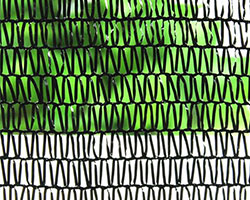
Mesh size refers to the measurement of the openings in the netting material. It determines the size of the particles, such as hailstones, that the netting can effectively block. Mesh size is typically measured in millimeters (mm) or inches (in) and plays a significant role in the level of protection provided by the netting.
Factors to Consider:
1. Hailstone Size: The primary consideration when choosing mesh size is the average size of hailstones in your region. Larger hailstones require a tighter mesh to prevent them from penetrating the netting and causing damage to your plants.
2. Plant Size and Type: Consider the size and type of plants in your garden. Smaller plants may require finer mesh to protect them adequately, while larger plants may tolerate coarser mesh. Additionally, certain plants, such as fruit trees or vine crops, may have specific requirements based on their growth habits and vulnerability to hail damage.
3. Airflow and Sunlight: Opt for a mesh size that allows sufficient airflow and sunlight to reach your plants. Blocking too much sunlight can inhibit plant growth, while poor airflow may lead to moisture-related issues such as mold and mildew. Strike a balance between protection and ventilation to create a conducive environment for plant growth.
4. Budget and Availability: Balance your budget constraints with the available options in terms of mesh size. While finer mesh may offer superior protection, it can also be more expensive. Evaluate your budget and explore cost-effective options without compromising on the quality and effectiveness of the hail netting.

Determining the Right Mesh Size:
1. Research Hailstone Sizes: Consult local weather records or meteorological data to determine the average size of hailstones in your area. This information will serve as a baseline for selecting an appropriate mesh size. Keep in mind that hailstone size can vary widely depending on the region and weather patterns, so consider historical data for accuracy.
2. Consider Plant Vulnerability: Evaluate the susceptibility of your plants to hail damage. Tender or young plants may require finer mesh to safeguard them effectively, while more robust plants may tolerate coarser mesh. Take into account the growth stage of your plants and their resilience to hail impact when choosing the mesh size.
3. Assess Environmental Conditions: Take into account the prevailing weather conditions in your region, such as wind speed and direction. Opt for a mesh size that offers adequate protection without compromising on ventilation. Consider the potential impact of strong winds on the stability of the netting and choose a mesh size that can withstand adverse weather conditions.
4. Seek Expert Advice: If you're unsure about the ideal mesh size for your garden, don't hesitate to seek advice from gardening experts or suppliers specializing in hail netting. They can offer valuable insights based on local conditions and plant requirements, helping you make an informed decision. Additionally, consulting with experienced gardeners or agricultural professionals in your area can provide practical recommendations based on their firsthand knowledge and experience.
Installation and Maintenance:
Once you've selected the appropriate mesh size for your hail netting, proper installation and maintenance are essential to ensure its effectiveness and longevity. Follow these tips to install and maintain your hail netting properly:
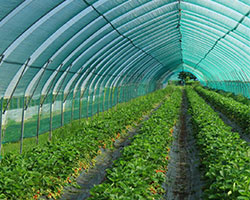
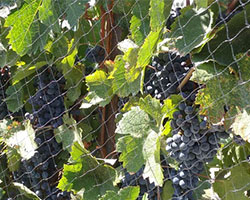
1. Secure Installation: Ensure that the hail netting is securely installed over your garden area, covering all vulnerable plants. Use sturdy support structures, such as poles or frames, to suspend the netting above the plants and prevent it from sagging or collapsing under the weight of hailstones.
2. Regular Inspection: Periodically inspect the hail netting for any signs of damage or wear, such as tears, holes, or loose connections. Promptly repair any damage to maintain the integrity of the netting and prevent hailstones from penetrating through compromised areas.
3. Seasonal Maintenance: Remove the hail netting during the offseason or when not in use to prevent damage from prolonged exposure to the elements. Store the netting in a dry, sheltered location away from sunlight and moisture to prolong its lifespan and ensure its readiness for the next growing season.
4. Adjustment and Replacement: As your plants grow and develop, periodically adjust the position and tension of the hail netting to accommodate their changing size and shape. Additionally, consider replacing the netting periodically to ensure continued protection and effectiveness, especially if it shows signs of significant wear or deterioration.
Selecting the right mesh size for hail netting in your garden is essential for protecting your plants from unpredictable weather conditions. By considering factors such as hailstone size, plant vulnerability, environmental conditions, and budget constraints, you can make an informed decision that ensures optimal protection while promoting healthy plant growth. Invest in high-quality hail netting with the appropriate mesh size to safeguard your garden against nature's wrath and enjoy bountiful harvests throughout the growing season.
By following the guidelines outlined in this comprehensive guide, you can effectively shield your garden from hail damage and minimize the risk of crop loss. Remember to prioritize the needs of your plants and the specific conditions of your garden when selecting mesh size and implementing hail protection measures. With the right mesh size and proper installation, you can enjoy a thriving garden year-round, free from the devastating effects of hailstorms.