



Organic farming aims to cultivate crops without the use of synthetic chemicals or genetically modified organisms, prioritizing sustainable, environmentally friendly practices. A significant challenge faced by organic farmers is effectively managing pests without relying on conventional pesticides. To address this challenge, agricultural insect netting has emerged as a valuable tool. In this article, we will explore how agricultural insect netting can be used for organic farming, highlighting its benefits and applications.

Protecting Crops from Insect Pests
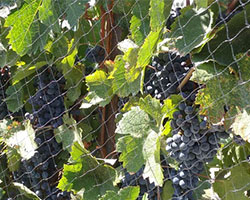
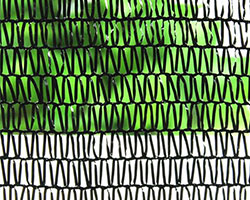
Agricultural insect netting is designed to create a physical barrier that prevents insects and pests from reaching crops. The tightly woven mesh of the netting material blocks the entry of common pests such as aphids, whiteflies, and beetles, reducing the need for chemical pesticides. By establishing a protective shield around crops, organic farmers can minimize damage caused by insects and maintain the integrity of their produce.
Natural Pest Control and Pollination
In addition to acting as a physical barrier, agricultural insect netting serves as a natural form of pest control. Beneficial insects, such as ladybugs and lacewings, are essential allies in combating harmful pests. The netting creates a controlled environment that allows these beneficial insects to thrive while keeping out harmful pests. The presence of beneficial insects not only helps with pest control but also facilitates natural pollination, contributing to the overall health and productivity of organic crops.

Protection from Weather Extremes
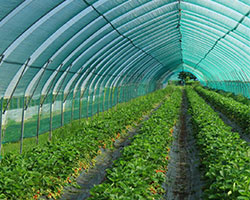
Agricultural insect netting also offers protection against weather extremes. The netting material helps to shield crops from excessive sunlight, wind, and hail, reducing the risk of damage and ensuring proper growth and development. By creating a microclimate around plants, the netting can maintain optimal temperature and humidity levels, enhancing the resilience of organic crops to adverse weather conditions.
Improved Crop Quality and Yield
By utilizing agricultural insect netting, organic farmers can achieve higher crop quality and yield. Protecting crops from insect pests and weather extremes leads to healthier plants with fewer blemishes and deformations. Quality produce not only fetches higher prices in the market but also ensures customer satisfaction. Additionally, minimizing crop losses due to pest damage results in increased yield, contributing to the economic viability of organic farming operations.
Latest Developments
Recently, there have been advancements in the design and materials used for agricultural insect netting. Innovations such as UV-stabilized netting and designs tailored for specific crops have enhanced the effectiveness and durability of insect netting, providing organic farmers with even more reliable options for sustainable pest management and crop protection.
Agricultural insect netting offers organic farmers a valuable solution for pest management and crop protection. By creating a physical barrier against insect pests, supporting natural pest control and pollination, providing weather protection, and improving crop quality and yield, agricultural insect netting becomes an indispensable tool for organic farming. Incorporating this innovative technique allows farmers to adhere to organic principles while maintaining the health and productivity of their crops in a sustainable and environmentally friendly manner.
As a trusted manufacturer and exporter of high-quality agricultural and industrial nets, we are committed to providing top-notch products and superior service. Our expertise in the field makes us a reliable partner for farmers seeking sustainable solutions for their farming operations. We invite you to explore our website and learn more about how we can assist you in achieving your agricultural goals. Partner with us today and experience the difference of working with a dedicated and experienced team. Together, we can pave the way for a greener and more sustainable future in agriculture.