





we understand that durability and longevity are crucial factors for our customers when choosing the right tarp for outdoor use. Whether you're protecting equipment, covering goods during transportation, or creating temporary shelter, knowing how long a tarp will last outside is essential for making informed decisions. In this article, we will explore the various factors that influence the lifespan of tarps and provide helpful tips to ensure their durability in outdoor environments.
Material Selection:
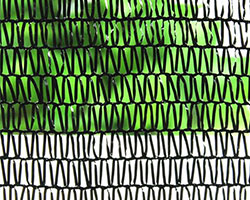
The choice of material plays a significant role in determining the lifespan of a tarp when exposed to outdoor elements. Common materials used in tarpaulin manufacturing include polyethylene (PE), vinyl (PVC), canvas, and mesh. Each material has its unique properties, offering varying levels of resistance to UV rays, moisture, and abrasion. Generally, tarps made from high-quality UV-resistant materials like vinyl or reinforced polyethylene have a longer lifespan than traditional canvas tarps.

UV Protection:
Ultraviolet (UV) radiation from the sun is one of the most significant factors contributing to tarp degradation. Prolonged exposure to UV rays can cause the material to weaken, fade, and eventually deteriorate. To extend the lifespan of your tarp, consider investing in UV-resistant tarps that are specifically designed for outdoor use. Additionally, applying a UV protectant spray can further enhance the tarp's ability to withstand UV rays.


Waterproofing and Rot Resistance:
For tarps intended for prolonged outdoor use, waterproofing and rot resistance are critical features. A waterproof tarp prevents water from seeping through, protecting the covered items from moisture damage. Furthermore, tarps that are rot-resistant can withstand damp conditions without succumbing to decay or mold growth.
Proper Storage:
Proper storage is essential to prolonging the life of your tarpaulins. When not in use, store your tarps in a cool, dry place away from direct sunlight. Avoid folding the tarp when storing it for extended periods; instead, roll it up loosely to prevent creasing and cracking of the material.
Regular Maintenance:
Routine maintenance can significantly extend the life of your tarp. Periodically clean your tarp to remove dirt, debris, and contaminants that can promote deterioration. Use mild soap and water, and avoid harsh chemicals that may damage the material.

Reinforcements and Grommets:
Consider investing in tarps with reinforced edges and grommets. Reinforced edges prevent fraying and tearing, while grommets provide secure attachment points for ropes or bungee cords, reducing stress on the tarp during windy conditions.
Conclusion:
In conclusion, the lifespan of a tarpaulin when used outdoors largely depends on the material quality, UV resistance, waterproofing, and proper maintenance. Usually it will last for 1-3 years. By selecting a high-quality tarp and adopting the tips mentioned above, you can significantly extend the life of your tarp and ensure it performs optimally in various weather conditions. As a leading tarpaulin manufacturer, we are committed to producing durable and long-lasting tarps that withstand the rigors of the outdoors, providing you with reliable protection for your valuable assets.