




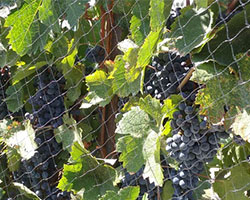
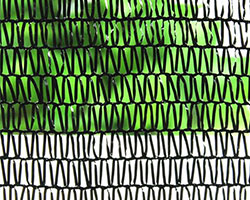

Shade cloth is a popular choice for providing shade and protection from the sun in outdoor spaces. When installing or repairing shade cloth, traditional sewing methods may not always be practical or accessible. In this article, we will explore creative alternatives for joining shade cloth without sewing, offering convenient and effective solutions. Whether you're a DIY enthusiast or simply looking for a hassle-free approach, these methods will help you achieve secure and durable connections.

Grommets and Fasteners:
One efficient way to join shade cloth without sewing is by using grommets and fasteners. Here's how to do it:
a. Measure and mark the desired location for the connection points on the shade cloth.
b. Install grommets at the marked points using a grommet kit and following the manufacturer's instructions.
c. Attach fasteners, such as snap hooks, carabiners, or zip ties, to the grommets. Ensure they are securely fastened, providing a tight connection.
d. Repeat the process for each connection point, ensuring even spacing and tension across the shade cloth.
Adhesive Tape or Fabric Glue:
Another option for joining shade cloth is using adhesive tape or fabric glue. Here's how to proceed:
a. Clean and prepare the surfaces to be joined, ensuring they are free from dirt and debris.
b. Apply a high-quality adhesive tape specifically designed for outdoor use along the edges or overlapping sections of the shade cloth.
c. Press firmly and evenly to create a strong bond. Follow the manufacturer's instructions for optimal results.
d. Alternatively, use fabric glue to secure the edges or overlapping sections together. Apply the glue evenly, press the surfaces together, and allow sufficient drying time as per the glue's instructions.

Cable Ties or Bungee Cords:
For a quick and temporary solution, cable ties or bungee cords can be used to join shade cloth. Follow these steps:
a. Position the shade cloth sections to be joined together, ensuring they overlap adequately.
b. Insert one end of a cable tie or bungee cord through both layers of the shade cloth, near the edge of the overlap.
c. Pull the cable tie or bungee cord tightly to secure the connection, ensuring it is snug but not overly tight.
d. Trim any excess length from the cable ties for a neat finish.
Heat Sealing:
If your shade cloth is made of a thermoplastic material, such as polyethylene, heat sealing can be an effective joining method. Here's how it can be done:
a. Ensure that the shade cloth edges are clean and free from debris.
b. Use a heat sealing tool specifically designed for thermoplastic materials.
c. Apply heat and pressure along the edges to melt and fuse them together, creating a strong and waterproof bond.
d. Follow the manufacturer's instructions for the specific heat sealing tool and shade cloth material to ensure proper technique and safety.
When sewing is not an option, joining shade cloth can still be achieved using creative alternatives. Whether you opt for grommets and fasteners, adhesive tape or fabric glue, cable ties or bungee cords, or heat sealing, these methods offer convenient and durable connections. By exploring these alternatives, you can effortlessly install or repair shade cloth, providing effective sun protection and enhancing your outdoor space.
As a trusted supplier and exporter in the agricultural industry, we are dedicated to providing high-quality products and excellent export services. Our commitment to reliability and customer satisfaction makes us the ideal partner for all your shade cloth and agricultural needs. Visit our website for more information and to explore our range of products.