



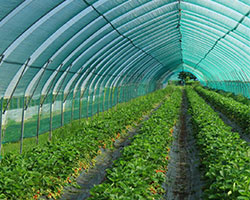
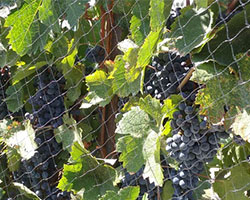
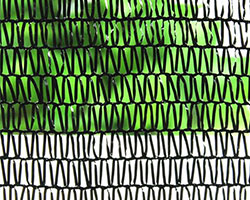

Insect nets are used more often in countries and regions where agriculture, horticulture, and gardening play a significant role and where insect pests pose a considerable threat to crops and plants. Some of the countries and regions where insect nets are commonly used include:
- Mediterranean Countries: Insect nets are extensively used in Mediterranean countries such as Israel, Italy, Spain, and Greece. These regions have a favorable climate for agriculture, but they also face challenges from a wide range of insect pests. The use of insect nets in these countries helps protect crops from pests like aphids, whiteflies, thrips, and leaf miners, ensuring better yield and quality.
- Asian Countries: Insect nets are widely used in various Asian countries due to their significant agricultural production and diverse climate conditions. China, India, Japan, South Korea, and Southeast Asian countries like Thailand, Indonesia, and Malaysia are among the countries where insect nets find extensive application. These countries have a large agricultural sector and face a diverse range of insect pests that can cause significant damage to crops.
- North America: Insect nets are commonly used in agricultural regions of North America, particularly in the United States and Canada. These nets help protect crops from insect pests like aphids, Colorado potato beetles, cabbage loopers, and other damaging insects. In regions where organic farming is practiced, the use of insect nets is often preferred as a sustainable and environmentally friendly pest control method.
- Northern European Countries: Insect nets are utilized in northern European countries such as the Netherlands, Belgium, Denmark, and Sweden, where horticulture and greenhouse farming are prominent. The use of insect nets in greenhouse production systems helps maintain a controlled environment and prevents the entry of pests, reducing the reliance on chemical pesticides.
The usage of insect nets in these countries and regions is driven by the need for effective pest control, disease prevention, and the desire to reduce reliance on chemical pesticides. Insect nets provide a physical barrier that excludes insect pests, thus minimizing crop damage, preventing disease transmission, and supporting sustainable agricultural practices. Additionally, these regions often have high-value crops, making the investment in insect nets economically viable for protecting their agricultural investments.