



In the face of climate change, unpredictable weather patterns, and the constant threat of pests and diseases, the agricultural industry is seeking innovative solutions to ensure sustainable and reliable food production. One such solution that has gained significant attention is the use of agricultural protective netting.
This remarkable technology offers a shield against adverse weather conditions, harmful insects, and other external factors that can jeopardize crop health and productivity. In this article, we will explore the benefits and applications of protective netting in agriculture, and how it plays a pivotal role in improving agricultural sustainability.

Protecting Crops from Extreme Weather
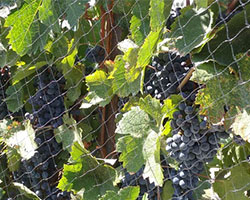
Extreme weather events, such as hailstorms, heavy rain, and strong winds, can wreak havoc on crops, leading to significant yield losses. Protective netting acts as a physical barrier, shielding plants from the impact of these adverse weather conditions. The hail netting reduces the force of hailstones, prevents wind damage, and minimizes waterlogging, allowing crops to thrive even in challenging environments. By safeguarding crops from extreme weather, protective netting helps maintain a stable and consistent food supply.

Mitigating Pest and Disease Infestation
Pests and diseases pose a constant threat to agricultural productivity. Traditional methods of pest control often involve the use of chemical pesticides, which can have detrimental effects on the environment and human health. Protective netting offers an eco-friendly alternative by creating a physical barrier that prevents pests from accessing crops. This reduces the reliance on harmful chemicals and promotes natural pest control methods. Additionally, insect netting acts as a shield against airborne diseases, such as fungal spores, preventing their transmission and safeguarding crop health.

Enhancing Crop Quality and Yield
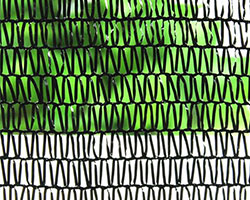
Protective netting creates an optimized microclimate around crops, providing a controlled environment that promotes healthy growth. The netting regulates temperature, humidity, and light exposure, creating ideal conditions for crop development. This controlled environment not only enhances crop quality but also extends the growing season, allowing farmers to cultivate crops outside their natural climatic limitations. With protective netting - sun shade fabric, farmers can achieve higher yields, improve crop uniformity, and increase the overall profitability of their operations.

Water and Resource Conservation
Water scarcity is a growing concern in agriculture, making efficient water management crucial for sustainable farming. Protective netting helps in conserving water by reducing evaporation and preventing excessive moisture loss due to wind. The netting also acts as a shield against excessive sunlight, reducing water requirements for irrigation. By optimizing water usage, protective netting contributes to water conservation efforts and promotes sustainable farming practices.

Sustainable and Organic Farming Practices
The use of protective netting aligns with the principles of sustainable and organic farming. By minimizing the reliance on chemical pesticides and promoting natural pest control methods, netting supports the cultivation of crops without compromising environmental integrity. Additionally, the controlled environment created by the netting reduces the need for synthetic fertilizers, as nutrient uptake and utilization are optimized. This promotes soil health and reduces the environmental impact of farming practices.

Diverse Applications in Agriculture
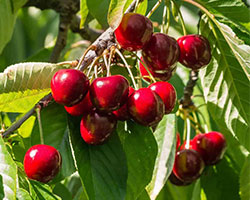
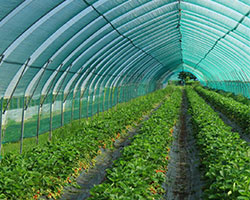
Protective netting finds applications across various agricultural sectors. It is widely used in horticulture for protecting fruits, vegetables, and ornamental plants from pests and adverse weather conditions. In greenhouse farming, netting helps regulate temperature, control light exposure, and prevent insect infestation. The netting is also employed in aquaculture to prevent bird predation and maintain water quality. Furthermore, protective netting is utilized in livestock farming to create shaded areas and protect animals from excessive heat.
Protective netting has emerged as a game-changer in the pursuit of agricultural sustainability. Its ability to shield crops from extreme weather, pests, and diseases, while promoting efficient resource management, makes it an invaluable tool for farmers worldwide. By adopting protective netting, farmers can enhance crop quality, increase yields, reduce chemical inputs, and contribute to the preservation of natural resources.
As we navigate the challenges of a changing climate and strive for a sustainable future, protective netting stands as a beacon of hope, ensuring the resilience and productivity of our agricultural systems. Embracing this technology is the key to unlocking a more sustainable and secure food supply for generations to come.
In this ever-changing agricultural landscape, protective netting has emerged as the key to achieving agricultural sustainability. If you're interested in learning how to safeguard crops from extreme weather, harmful insects, and other external factors, Hanki website is the ideal destination for valuable information. On our website, you'll discover detailed insights into various types of crop protection netting, including application examples, benefits, and advantages.
Our goal is to provide you with comprehensive resources that help you understand how protective netting can enhance crop yield, quality, and sustainability. Visit Hanki website to explore this exciting field and learn how to incorporate protective netting into your agricultural practices for optimal crop protection and growth. Let's work together to create a more sustainable and resilient agricultural future.