


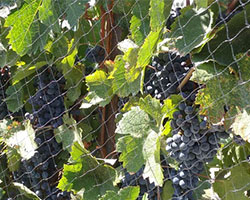


Hail netting is a critical component in the arsenal of any farmer or gardener seeking to shield their valuable crops and plants from the ravages of hailstorms. However, merely installing the netting is not enough; it must be secured with the utmost care and precision to ensure that it remains steadfast in the face of fierce winds and torrential downpours. In this detailed guide, we will delve into the most effective methods for securing hail netting, providing you with the knowledge and tools necessary to safeguard your greenery from the unpredictable forces of nature.

Understanding the Importance of Hail Netting
Before we explore the various techniques for securing hail netting, it's essential to understand why this protective measure is so crucial. Hailstorms can cause catastrophic damage to crops, leaving farmers facing significant financial losses and potentially devastating their livelihoods. By investing in high-quality hail netting and installing it correctly, you can significantly reduce the risk of crop damage and ensure a more bountiful harvest.
Selecting the Ideal Hail Netting
The first step in effective netting security is choosing the right material. The ideal hail netting should be made from durable, UV-resistant, and weatherproof materials. It should be designed to withstand high-impact forces and resist tearing. Consider the following factors when selecting your netting:
- Weight and Density: Heavier and denser netting will generally offer better protection against hailstones but may also be more challenging to handle and install.
- Mesh Size: The size of the mesh should be chosen based on the size of the crops and the expected size of hailstones in your area.
- Material: Polyethylene, polypropylene, and nylon are all common materials used for hail netting, each with its own strengths and weaknesses.
Tips for Choosing the Right Netting
- Research: Look for recommendations from agricultural experts and other farmers who have faced similar weather conditions.
- Test: If possible, obtain samples of different netting materials and conduct your own tests to gauge their durability and effectiveness.

Installation: The Key to Secure Hail Netting
The installation process is where many attempts at securing hail netting fall short. A poorly installed netting is like a weak link in a chain, destined to fail under pressure. Here are the steps to follow for a secure installation:
1. Preparation: Before installing the netting, ensure that the ground is clear of debris and that there are no obstructions that could interfere with the installation or stability of the netting.
2. Laying Out the Netting: Unroll the netting over the crops, ensuring that it is evenly distributed and covers the entire area. Avoid any wrinkles or folds that could trap water or wind.
3. Anchoring: Use sturdy stakes or anchors to secure the netting at regular intervals around the perimeter. The stakes should be driven deep enough into the ground to prevent them from being pulled out during a storm.
4. Fastening: In addition to stakes, use ropes, bungee cords, or straps to further secure the netting to the anchor points. Ensure that the netting is taut and that there is no slack that could allow it to flap in the wind.
Advanced Installation Techniques
- Double-Layering: For added protection, consider using a double layer of netting. This can help to absorb more impact and distribute the force of hailstones more evenly.
- Tensioning Systems: Some netting systems come with built-in tensioners that help maintain the correct tension, ensuring that the netting remains taut and effective.
Reinforcing Your Hail Netting
Even the most robust installation can be improved with additional reinforcement. Here are some strategies to further secure your hail netting:
1. Support Structures: Erecting temporary or permanent support structures, such as wooden or metal frames, can provide additional stability and help distribute the weight of any accumulated hail.
2. Weighting: In areas with high wind speeds, consider adding weights to the lower edges of the netting to prevent it from lifting.
3. Windbreaks: Planting windbreaks around the perimeter of your crops can help to reduce wind speed and protect the netting from being torn or lifted.
Maintenance: The Ongoing Battle Against the Elements
Regular maintenance is crucial to the long-term effectiveness of your hail netting. Here are some tips for keeping your netting in top condition:
- Inspect Regularly: Conduct frequent inspections of the netting, looking for signs of wear, tear, or damage. Address any issues promptly to prevent them from becoming larger problems.
- Clean: Remove any debris, such as leaves or dirt, that may have accumulated on the netting. This can help to prevent water pooling and reduce the risk of mold or mildew growth.
- Adjust Tension: Over time, the netting may lose tension. Regularly check and adjust the tension to ensure that the netting remains taut and effective.
Weather Monitoring: Staying One Step Ahead
Being proactive about weather monitoring can help you prepare for impending storms and take the necessary steps to secure your hail netting. Use the following resources to stay informed:
- Local Weather Forecasts: Keep an eye on local weather reports and be aware of any potential hailstorm warnings.
- Weather Apps: Utilize weather apps and alerts on your smartphone to receive real-time updates and warnings about severe weather conditions.
Seeking Professional Help
If you're unsure about any aspect of securing hail netting or if you're facing particularly challenging weather conditions, don't hesitate to seek professional help. Agricultural consultants, extension services, and experienced farmers can provide valuable insights and assistance in ensuring that your netting is as secure as possible.
Securing hail netting is a multifaceted process that requires careful consideration of material selection, installation techniques, reinforcement strategies, and ongoing maintenance. By following the comprehensive guidelines outlined in this article, you can significantly increase the effectiveness of your hail netting and protect your crops from the damaging effects of hailstorms. Remember, a well-secured netting system is the first line of defense against the unpredictable forces of nature, and with diligent effort and attention to detail, you can safeguard your agricultural investments and ensure a bountiful and prosperous harvest.