



When it comes to protecting crops against the ravages of hailstorms, hail netting emerges as a crucial tool for farmers and orchard owners. These innovative nets, also known as anti-hail nets, play a vital role in shielding delicate crops from damage caused by hailstones, thereby safeguarding harvests and livelihoods. Let's delve into the fascinating world of hail nets, exploring the various types and discerning their differences for optimal agricultural protection.

Understanding Anti-Hail Netting
Types of Hail Nets
1. Woven Hail Netting: Woven hail nets are crafted from high-density polyethylene (HDPE) threads woven together to form a durable barrier against hailstones. These nets are renowned for their strength and longevity, making them ideal for withstanding harsh weather conditions.
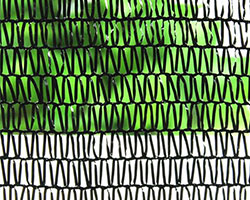
2. Knitted Hail Netting: Knitted hail nets are produced by interlocking knitted threads, offering flexibility and excellent coverage. These nets are lightweight yet robust, providing effective hail protection without compromising on ventilation and light transmission.
3. Monofilament Hail Netting: Monofilament hail nets feature single, thick strands woven into a mesh structure. This type of netting provides enhanced durability and resistance to tearing, ensuring long-term protection against hail damage.
Key Differences
1. Density: Woven hail nets typically have a higher density compared to knitted or monofilament nets, offering superior protection against smaller hailstones and debris.
2. Ventilation: Knitted hail nets excel in providing adequate airflow to crops, preventing heat buildup and humidity accumulation, which can be crucial for plant health.
3. Durability: Monofilament hail nets are known for their exceptional durability and resistance to wear and tear, making them a reliable choice for long-term hail protection.
4. Light Transmission: Woven hail nets may reduce light penetration to a certain extent, while knitted nets allow for optimal light transmission, ensuring that plants receive the necessary sunlight for photosynthesis.

Applications of Anti-Hail Netting
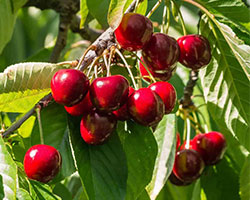
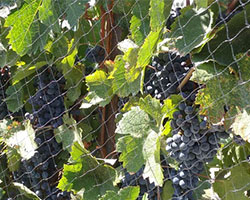
- Agricultural Orchards: Anti-hail nets are commonly used in fruit orchards, vineyards, and plantations to shield crops from hail damage, ensuring a successful harvest season.
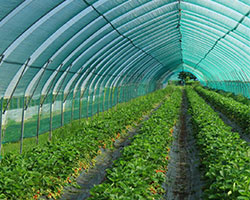
- Greenhouses: Hail nets can be incorporated into greenhouse structures to protect delicate crops from hail impact, maintaining a conducive growing environment.
- Nurseries: Nurseries and seedling beds can benefit from hail netting to prevent damage to young plants and encourage healthy growth.
Frequently Asked Questions (FAQs)
1. How do I choose the right type of hail netting for my crops?
Choosing the appropriate hail netting depends on various factors such as the frequency of hailstorms in your region, the type of crops you cultivate, and specific environmental conditions. Consult with agricultural experts or suppliers to determine the most suitable option for your needs.
2. Can hail nets protect crops from other weather-related threats besides hail?
While hail nets are primarily designed to mitigate hail damage, they can also offer some protection against heavy rainfall, wind, and excessive sunlight. However, their effectiveness may vary depending on the severity of the weather event.
3. Are there any maintenance requirements for hail netting?
Regular inspection and maintenance of hail nets are essential to ensure their effectiveness. Check for any tears, holes, or damage caused by pests or weathering, and promptly repair or replace damaged sections to maintain optimal protection.
4. Can hail nets affect crop yield or quality?
When properly installed and maintained, hail nets should not significantly impact crop yield or quality. However, it's essential to monitor factors such as light transmission, ventilation, and humidity levels to optimize growing conditions and maximize productivity.
5. Are hail nets cost-effective in the long run?
While the initial investment in hail netting may seem significant, the long-term benefits in terms of crop protection and yield preservation often outweigh the costs. Consider hail nets as an essential insurance policy for safeguarding your agricultural investments against unpredictable weather events.
In conclusion, the choice of anti-hail netting depends on specific requirements such as hail frequency, crop type, and environmental factors. Whether opting for woven, knitted, or monofilament hail nets, each type offers unique advantages in terms of protection, durability, and functionality. By understanding the nuances of these different hail net varieties, farmers can make informed decisions to safeguard their agricultural investments and ensure bountiful yields despite nature's unpredictable whims.