



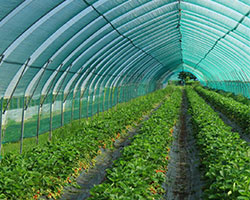
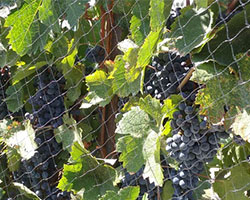
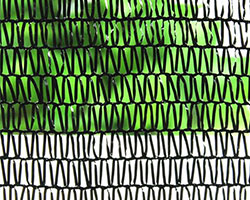

Insect netting, also known as insect mesh, is a crucial component in modern agricultural practices. It serves as a protective barrier against a wide range of pests, including insects, birds, and rodents, while allowing essential elements like air, light, and water to permeate through. Let's delve into the various types of insect netting and their applications in agriculture.
1. Standard Insect Netting
Standard insect netting is a versatile option that provides protection against a broad spectrum of pests. It is typically made from high-density polyethylene (HDPE) and is available in various mesh sizes to suit different crop protection needs. This type of netting is commonly used in open field agriculture, greenhouses, and nurseries to shield crops from insects and other pests.

2. Fine Mesh Netting
Fine mesh netting, also known as ultra-fine insect netting, is designed to offer protection against smaller pests, such as aphids, whiteflies, and thrips. The smaller mesh size effectively prevents these tiny insects from reaching the crops, making it an ideal choice for high-value crops that are susceptible to these pests.

3. Bird Netting
Bird netting is a specialized type of insect netting that is designed to keep birds away from crops. It is typically made from a durable, UV-stabilized material and is available in various mesh sizes to suit different bird species. Bird netting is commonly used in orchards, vineyards, and other agricultural settings where birds pose a threat to the crops.

4. Rodent Netting
Rodent netting is designed to prevent rodents, such as mice and rats, from accessing crops. It is typically made from a heavy-duty material that rodents cannot chew through. Rodent netting is commonly used in agricultural settings where rodents are a significant threat to the crops.

5. Shade Netting with Insect Protection
Shade netting with insect protection is a multi-functional option that provides both shade and insect protection. It is typically made from a high-density polyethylene (HDPE) material and is available in various shade percentages and mesh sizes. This type of netting is commonly used in greenhouses and nurseries to provide a comfortable growing environment for the crops while also protecting them from insects.
6. Thermal Netting with Insect Protection
Thermal netting with insect protection is a specialized type of insect netting that provides both insect protection and thermal insulation. It is typically made from a high-density polyethylene (HDPE) material and is available in various mesh sizes. This type of netting is commonly used in greenhouses to create a warm and insect-free environment for the crops.
Conclusion: The Importance of Insect Netting in Agriculture
Insect netting is an indispensable tool in modern agriculture, providing protection against a wide range of pests while allowing essential elements like air, light, and water to permeate through. By understanding the different types of insect netting and their applications, farmers can make informed decisions about the most suitable netting for their specific crop protection needs. Whether it's standard insect netting, fine mesh netting, bird netting, rodent netting, or multi-functional netting, each type plays a crucial role in safeguarding crops and ensuring a bountiful harvest.
Concluding our discussion on the diverse types of insect netting, it's important to highlight that as a leading manufacturer and exporter in the industry, we take pride in offering a comprehensive array of agricultural and construction nets. Our products are designed to cater to a wide spectrum of needs, ensuring that customers have access to various options such as anti-insect nets, shade nets, and hail protection nets for agricultural purposes, as well as safety nets and debris netting for industrial and construction applications. We are committed to providing top-quality solutions tailored to meet the specific demands of our clientele. For further details on our extensive range of agricultural and industrial construction nets, we invite you to explore our website where you can find detailed information and specifications for each product, enabling you to make informed decisions for your unique requirements.